

For patients researching dentures in Altamonte Springs, FL, understanding the available choices is an important first step. Full dentures, partial dentures, and implant-supported options each address different needs. The right solution depends on the number of missing teeth, oral health, lifestyle, preferences, and budget.
This article provides general educational information and is not a substitute for a dental examination or personalized clinical advice. A dentist can evaluate your mouth and recommend options based on your individual health and needs.
What Are Dentures?
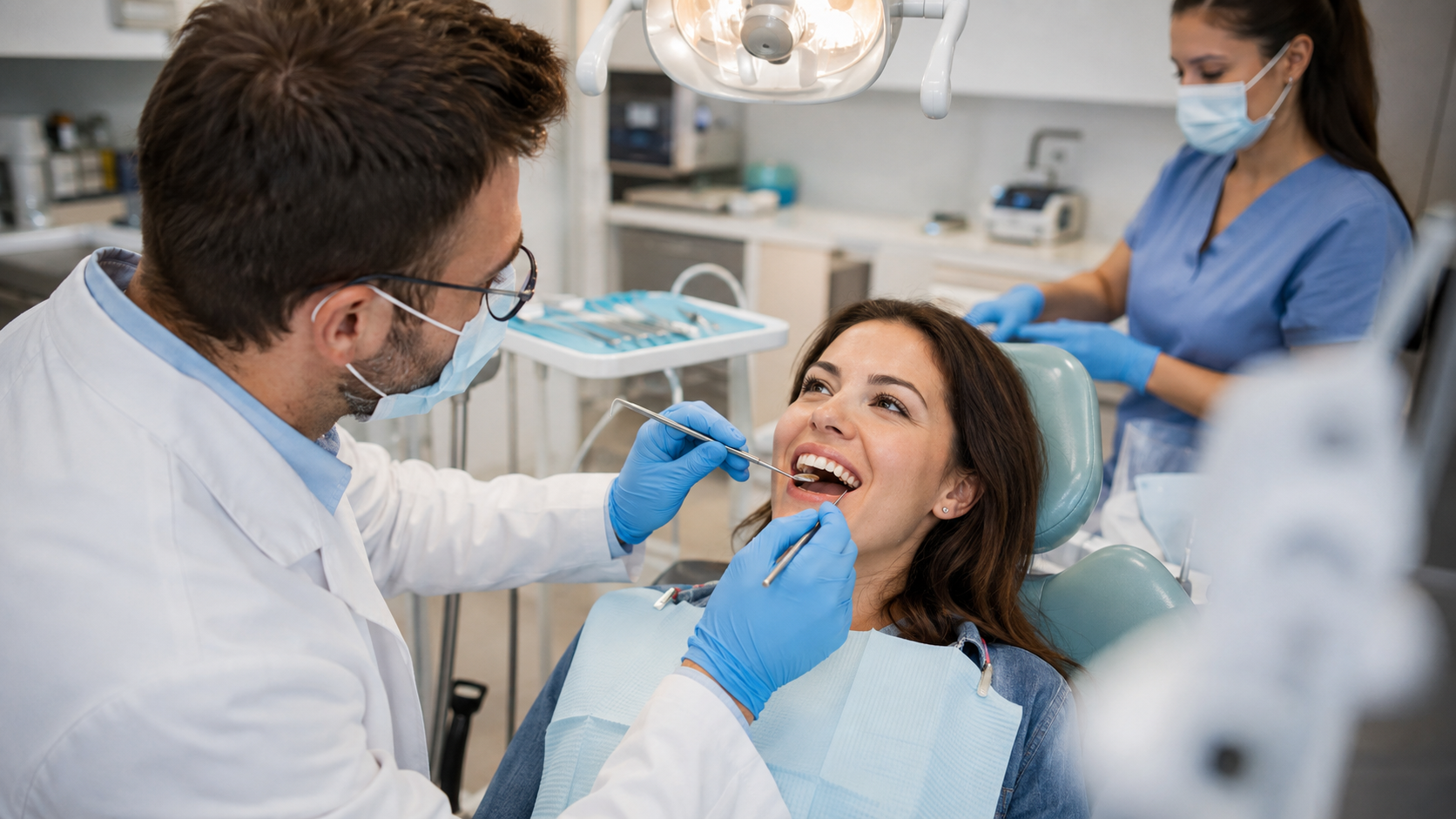
Dentures are custom-made dental appliances that replace missing teeth and surrounding gum tissue. Depending on their design, they may rest on the gums, attach to remaining teeth, connect to dental implants, or use a combination of support methods.
Modern dentures can be created with tooth and gum shades selected to complement the patient’s appearance. Although they do not feel exactly like natural teeth, a well-planned denture can help restore everyday function and create a complete-looking smile.
Types of Dentures Available
Full dentures
Full dentures replace an entire upper arch, lower arch, or both. They are generally considered when all teeth in an arch are already missing or when the remaining teeth cannot predictably be preserved.
A traditional full denture sits over the gums. The upper appliance typically covers part of the roof of the mouth, while the lower appliance is shaped around the tongue. Fit, muscle coordination, saliva, and the shape of the supporting tissues all influence stability.
Partial dentures
A partial denture replaces several missing teeth when useful natural teeth remain. The appliance fills the open spaces and commonly uses clasps or other attachments for support.
Partial dentures may also help prevent nearby teeth from shifting into open spaces. Their materials and design vary, so a dentist must consider the location of the missing teeth, bite, remaining tooth health, and cosmetic priorities.
Immediate dentures
Immediate dentures are inserted shortly after designated teeth are removed, allowing the patient to avoid going without teeth during early healing. Because the gums and supporting tissues change as they heal, these appliances often require adjustments. A reline or replacement may eventually be recommended to improve the fit.
Immediate dentures can be helpful, but they require realistic expectations. The appliance placed on the day of extraction is not always the same as the long-term final denture.
Implant-supported dentures
Implant-supported dentures connect to dental implants placed in the jaw. Depending on the design, the denture may snap in and out for cleaning or remain fixed in place and be removed only by a dental professional.
Implant support can provide better retention and may improve biting function compared with conventional dentures. However, dental implants are not appropriate for everyone. The decision depends on factors such as bone availability, gum health, medical history, oral hygiene, and the ability to complete the required maintenance. Research has also documented that implant-supported designs can improve denture retention and biting force, although complications and ongoing maintenance remain possible.
Dream Dental Services offers information about implant-supported dentures for patients who want to explore this option.
How a Dentist Determines the Right Denture Option
Choosing dentures is not simply a matter of selecting a preferred style. A thorough evaluation helps determine which treatment is likely to work with the patient’s mouth and daily needs.
During a consultation, the dental team may evaluate:
- The number, position, and condition of remaining teeth
- Gum health and areas of soreness or infection
- The shape of the jaw and supporting ridges
- The way the upper and lower jaws meet
- Previous denture experiences
- Appearance and tooth-shade preferences
- Medical history and medications
- Interest in and suitability for dental implants
- Cleaning ability and long-term maintenance expectations
The dentist may take X-rays, digital scans, traditional impressions, photographs, or bite records. These details help the dental laboratory create an appliance shaped for the patient rather than relying on a one-size-fits-all approach.
What to Expect When Getting Dentures
The process varies depending on whether teeth are already missing, extractions are needed, or implants are part of the plan. In general, treatment may include an examination, records of the mouth, appliance design, one or more trial fittings, placement, and follow-up adjustments.
For a conventional denture, a trial version may allow the dentist and patient to review the tooth position, bite, and appearance before the final appliance is completed. Even with careful planning, adjustments may be needed after delivery because the mouth must adapt to new pressure points and movements.
Implant treatment involves additional stages. Early discomfort after a procedure, soft-tissue healing, integration of the implant with the surrounding bone, and delivery of the final restoration are separate phases. Their timing varies by patient and treatment design, so the full process should not be judged only by how quickly initial soreness improves. The dentist can explain the expected sequence after evaluating the patient.
Adjusting to New Dentures
New dentures often feel unfamiliar at first. The tongue, cheeks, and lips need time to learn how to keep the appliance stable during speaking and eating. Some patients also notice temporary changes in saliva production or mild tender spots.
These practical tips may make the adjustment easier:
- Begin with soft foods cut into small pieces.
- Chew slowly and use both sides of the mouth when possible.
- Practice reading aloud to become comfortable with speech.
- Follow the dentist’s instructions about when to remove the dentures.
- Attend adjustment visits instead of attempting to reshape the appliance at home.
A denture should not create persistent wounds or severe pain. Patients should contact their dentist if an appliance causes ongoing soreness, repeatedly slips, breaks, or suddenly feels different. Denture adhesive may provide extra confidence in some cases, but it should not be used to hide a poor fit that needs professional attention.
How to Clean and Protect Dentures
Dentures collect food particles, plaque, and stains just as natural teeth do. Daily care helps keep the appliance fresh and protects the gums and any remaining teeth.
- Remove and rinse the denture after meals when practical.
- Clean it with a denture brush or soft-bristled brush and a suitable denture cleanser.
- Avoid abrasive household cleaners and very hot water, which may scratch or distort some materials.
- Clean the gums, tongue, roof of the mouth, and remaining natural teeth.
- Store removable dentures as directed so they do not dry out or become damaged.
- Keep regular dental appointments for fit and oral health checks.
Patients with implant-supported dentures also need to clean around the implants and attachments carefully. The dental team can recommend tools suited to the specific appliance.
Why Dentures May Become Loose Over Time
The mouth does not remain exactly the same after teeth are lost. The gums and supporting jaw contours can gradually change, while the denture keeps its original shape. Normal wear can also affect the bite or attachment components.
A dentist may recommend an adjustment, reline, repair, or replacement depending on the cause. Patients should avoid do-it-yourself repair kits and household glue. These materials can damage the appliance, create an unsafe fit, and make a professional repair more difficult.
Understanding the Cost of Dentures
The cost of dentures in Altamonte Springs varies because treatment is highly individualized. Factors may include:
- Whether a full or partial denture is needed
- The materials and design selected
- Whether extractions or other preparatory care are required
- The need for temporary or immediate dentures
- The number of implants and type of implant-supported restoration
- Dental laboratory work, adjustments, and follow-up care
- Insurance coverage and financing arrangements
A useful estimate should explain what is included rather than providing only a starting price. Patients can ask whether the proposed fee covers records, extractions, temporary appliances, follow-up adjustments, relines, implant components, or the final restoration. Dream Dental Services provides additional information about its denture options, but an examination is needed for an individualized treatment plan and cost estimate.
Frequently Asked Questions About Dentures
Will dentures look natural?
Modern dentures can be customized for tooth shade, shape, size, and arrangement. The result depends on the design, available space, gum contours, and patient preferences. Bringing photographs that show a previous natural smile may help during the planning conversation.
Can a person eat normally with dentures?
Many patients can return to a varied diet after learning how to use their dentures, but chewing may feel different from chewing with natural teeth. Starting with softer foods and gradually adding firmer textures can help. Very sticky or hard foods may remain challenging, depending on the appliance.
Should dentures be worn while sleeping?
Many removable-denture wearers are advised to give their oral tissues a rest overnight, but instructions can vary after extractions, surgery, or other treatment. Patients should follow the schedule provided by their dentist.
How long do dentures last?
There is no single lifespan that applies to every appliance. Dentures may need adjustment, relining, repair, or replacement as the mouth changes and materials wear. Routine examinations help identify changes before they create significant discomfort or damage.
Are implant-supported dentures the same as permanent dentures?
Not always. Some implant-supported dentures are removable by the patient, while others are fixed and removed only by a dental professional. The word “permanent” can therefore be confusing. Patients should ask exactly how the proposed restoration attaches, how it is cleaned, and who can remove it.
Can someone with dentures stop visiting the dentist?
No. Even when no natural teeth remain, dental visits are important for checking the gums, oral tissues, bite, appliance condition, and fit. Patients who retain natural teeth or have dental implants also need preventive care to protect those structures.
Find Personalized Denture Care in Altamonte Springs
The best denture is not simply the newest or most expensive option. It is the one that fits the patient’s oral health, functional needs, maintenance ability, and personal goals. A consultation provides an opportunity to compare conventional, partial, immediate, and implant-supported choices without making assumptions about which design is appropriate.
Dream Dental Services welcomes patients at 210 Loraine Drive, Altamonte Springs, FL 32714. Those considering dentures can contact the Altamonte Springs office to ask questions or arrange a personalized evaluation. A thoughtful conversation with the dental team can make the next step feel clearer and more comfortable.