
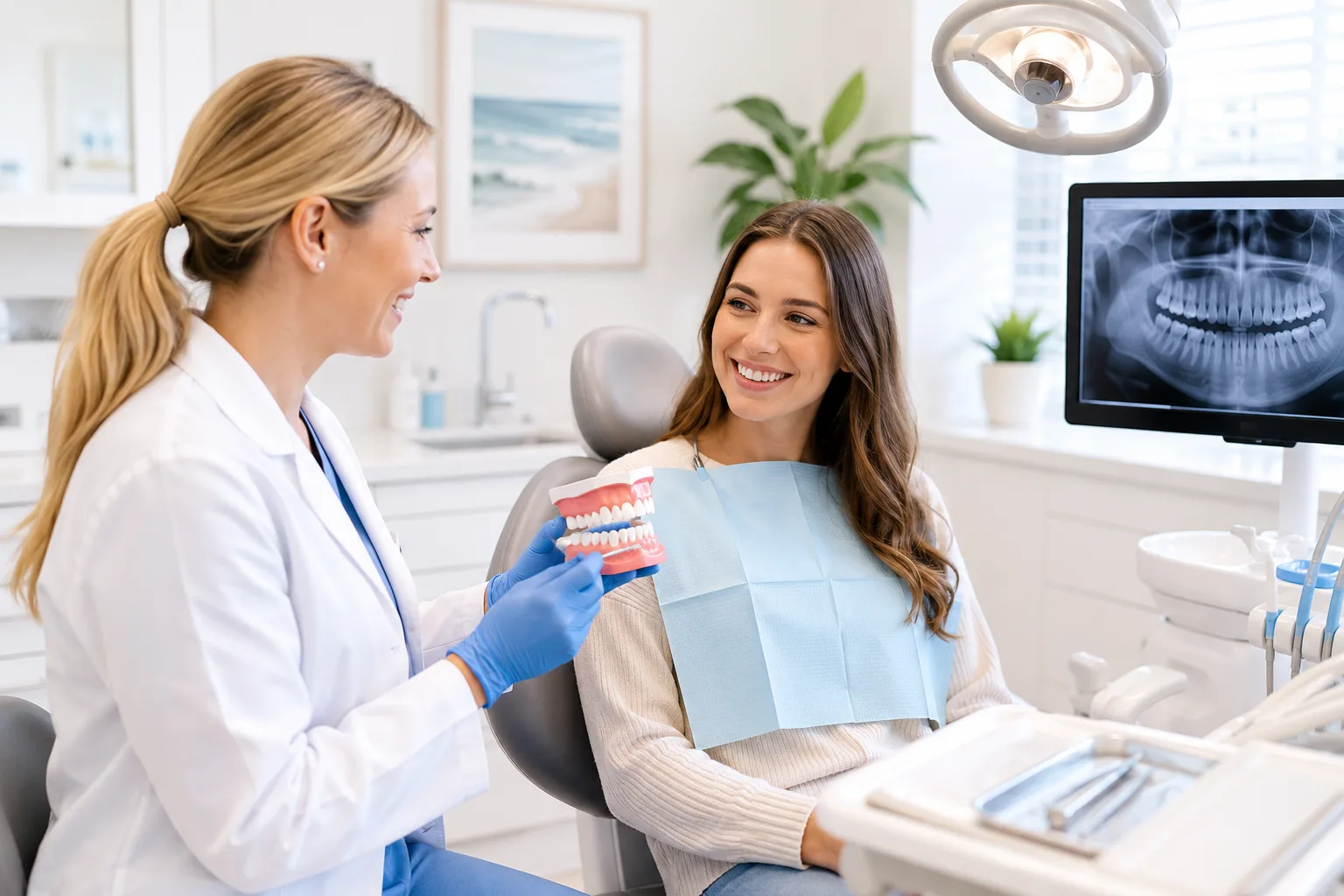
A straighter smile can improve confidence, but many people hesitate at the thought of wearing noticeable metal braces. Invisalign clear aligners offer another option. The removable trays are designed to gradually guide teeth toward planned positions while fitting more discreetly into everyday life.
For patients researching Invisalign in Altamonte Springs, FL, understanding the process can make the decision feel less overwhelming. This guide explains how clear aligner treatment works, what wearing the trays is like, and which questions to ask before getting started.
This article provides general educational information and is not a diagnosis or personalized treatment recommendation. A dentist should examine the teeth, gums, bite, and oral health before determining whether Invisalign is appropriate.
What to Know About Invisalign Clear Aligners
What is Invisalign?
Invisalign is an orthodontic treatment that uses a planned series of clear, removable aligners. Each aligner is shaped a little differently to support gradual tooth movement according to a dentist-supervised treatment plan.
The trays are made to fit closely over the teeth, so they are generally less noticeable than conventional brackets and wires. They can also be removed for meals, brushing, and flossing. However, removable does not mean optional: patients must wear their aligners as directed for treatment to stay on track.
In some cases, a dentist may place small tooth-colored attachments on selected teeth. These attachments give the aligners additional grip for particular movements. They may be visible at close range, but they are designed to blend with the smile.
What concerns can clear aligners address?
Depending on the individual case, a dentist may consider Invisalign for concerns such as:
- Crowded or overlapping teeth
- Small or moderate spaces between teeth
- Certain overbite, underbite, or crossbite concerns
- Teeth that have shifted after previous orthodontic treatment
- General smile alignment concerns
Clear aligners are not automatically the best choice for every bite or tooth movement. The degree of crowding, jaw relationships, gum health, existing restorations, and the patient’s ability to wear the trays consistently can all affect the recommendation. Some complex cases may be better treated with braces or coordinated care from an orthodontist.
Who may be a good candidate?
A potential Invisalign candidate usually has healthy teeth and gums, a concern that clear aligners can reasonably address, and a willingness to follow the wearing schedule. Because the trays can be taken out, personal consistency plays an important role.
Teenagers may also be candidates if they can manage the responsibility of wearing and caring for the aligners. Age alone does not determine eligibility. A clinical examination is the reliable way to find out whether clear aligners fit a patient’s needs.
Active gum disease, untreated cavities, or other oral health problems may need attention before orthodontic treatment begins. Moving teeth in a healthy oral environment helps the dental team monitor care more predictably.
What happens during an Invisalign consultation?
An Invisalign consultation begins with a conversation. The dentist will ask what the patient would like to change and whether there are concerns about comfort, appearance, timing, or cost.
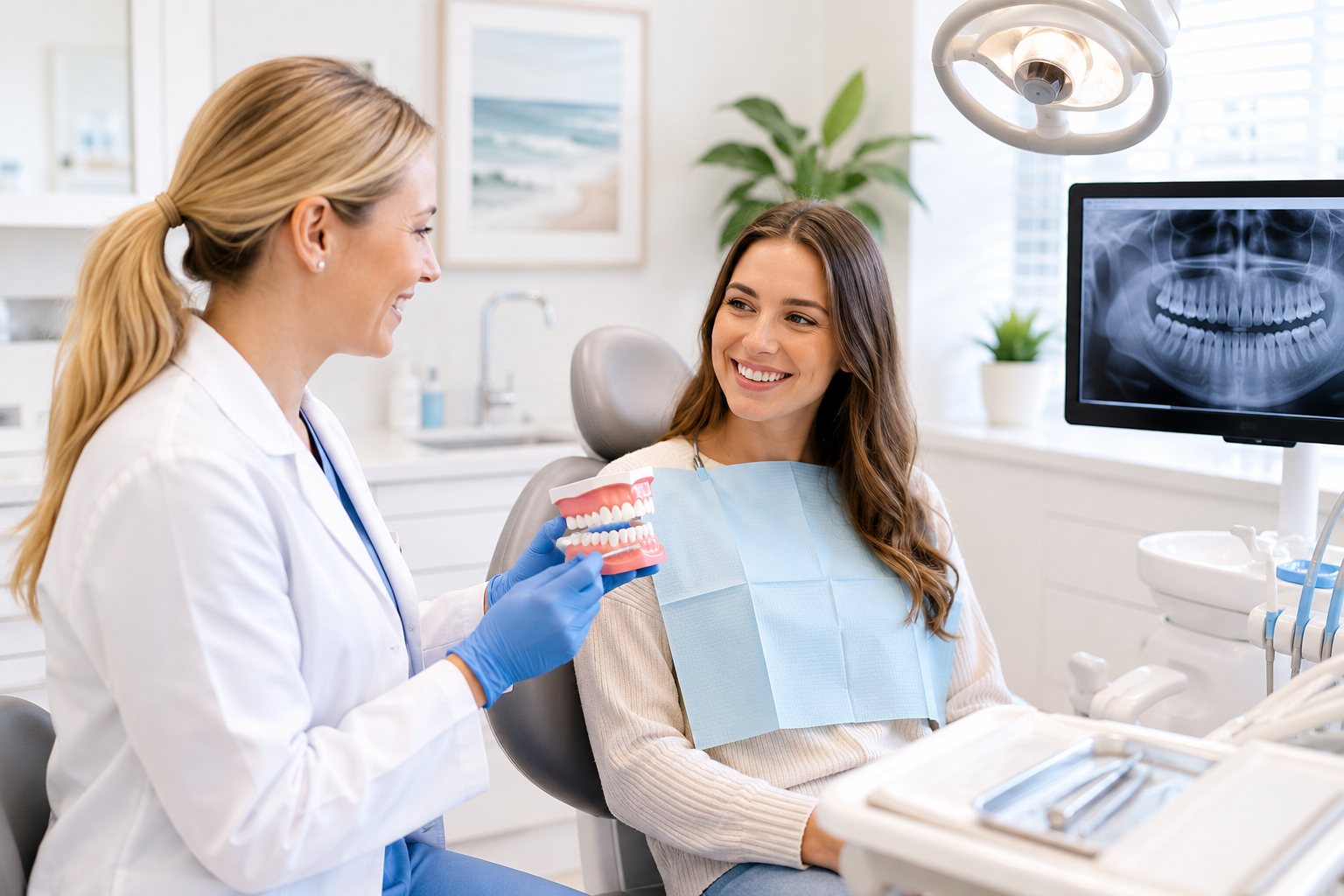
The dental team will then evaluate the teeth, gums, bite, and jaw relationships. Digital scans, photographs, or appropriate dental imaging may be used to collect the information needed for planning. A digital scan can often create a detailed model of the smile without relying on traditional putty impressions.
If Invisalign appears suitable, the dentist can explain the proposed plan, expected responsibilities, possible limitations, and estimated treatment length. Treatment time varies because every smile begins from a different position and requires different movements.
This appointment is also an opportunity to ask what the quoted fee includes. Patients should clarify whether the estimate covers diagnostic records, office visits, replacement trays, refinements, and retainers.
What is daily life with Invisalign like?
Clear aligners are designed to be convenient, but they still require a routine. Most patients need to wear them for the majority of each day, removing them only as instructed for eating, drinking anything other than plain water, and completing oral hygiene.
There may be pressure or temporary tenderness when a new aligner is inserted. That sensation can reflect the tray applying controlled force to the teeth. Significant pain, sharp edges, a tray that will not seat, or a damaged attachment should be reported to the dental office rather than ignored.
Speech may sound slightly different at first while the tongue adjusts to the trays. Many people become more comfortable with practice. Reading aloud or speaking normally instead of avoiding conversation can help the adjustment feel more natural.
Because the trays are removable, there are no brackets to work around while brushing and flossing. Patients still need to clean carefully, however. Trapping food debris or sugary liquid beneath an aligner may increase the chance of plaque buildup and other oral health problems.
Eating, drinking, and caring for aligners
Aligners should generally be removed before meals. This allows patients to enjoy a broad range of foods without chewing against the trays. Plain water is usually the simplest drink to have while aligners are in place. Hot liquids may affect the tray material, while colorful or sugary drinks can contribute to staining or leave residue against the teeth.
After eating, patients should clean their teeth before putting the aligners back in whenever possible. When brushing is not immediately available, rinsing the mouth and trays with water may be a practical temporary step, followed by thorough cleaning as soon as possible.
Aligners should be cleaned according to the dental team’s instructions. Cool or lukewarm water and an approved cleaning method are preferable to hot water or abrasive products. When the trays are out of the mouth, placing them in their case helps protect them from damage, pets, restaurant napkins, and accidental disposal.
How much does Invisalign cost in Altamonte Springs?
There is no single fee that applies to every Invisalign patient. Cost can vary based on the complexity of the tooth movements, the scope of treatment, the number of anticipated aligners, and whether additional refinements are needed.
Dental insurance may provide an orthodontic benefit, but coverage differs by policy. Patients can ask the dental team to review available benefits and explain estimated out-of-pocket costs. It may also be helpful to ask about payment arrangements and whether eligible health savings account or flexible spending account funds can be used.
A written estimate should identify what is included. Comparing only the advertised starting price can be misleading if one plan includes retainers and follow-up care while another charges for them separately.
Why retainers matter after treatment
Finishing the last aligner is an exciting milestone, but it is not the end of maintaining the result. Teeth can shift over time, so retainers are commonly recommended after active orthodontic treatment.
The dentist will provide instructions about when and how long to wear the retainer. Following that plan helps protect the time and effort invested in treatment. Patients should also bring retainers to recommended dental visits so their condition and fit can be checked.
A lost, cracked, or poorly fitting retainer should be addressed promptly. Waiting may allow unwanted movement to occur.
How to choose an Invisalign provider
The right provider should offer more than a set of clear trays. Look for a dental team that performs a careful evaluation, explains the treatment plan in understandable language, and discusses both the benefits and limitations of clear aligners.
Helpful questions include:
- Is Invisalign appropriate for this specific bite and alignment concern?
- Who will monitor treatment and how often will progress be reviewed?
- What happens if an aligner is lost or does not fit?
- Are attachments or other procedures likely to be needed?
- What is included in the treatment fee?
- Are refinements and retainers included?
- What alternatives should also be considered?
A trustworthy consultation should leave room for questions. Patients should understand their choices without feeling pressured to begin immediately.
Frequently Asked Questions About Invisalign
Is Invisalign completely invisible?
No clear aligner is completely invisible, but Invisalign trays are designed to look subtle when worn. Tooth-colored attachments, natural lighting, and the viewing distance can affect how noticeable they are.
Can patients eat while wearing Invisalign?
Patients are generally instructed to remove the trays for meals and snacks. Eating with aligners in place may damage or stain them. The treating dentist can provide specific instructions based on the patient’s plan.
What happens if an aligner is lost?
The patient should contact the dental office instead of moving ahead or returning to another tray without guidance. The correct next step depends on the treatment stage and how long the aligner had been worn.
Does Invisalign hurt?
Some pressure or short-term tenderness can occur, particularly after changing to a new aligner. Severe pain, persistent irritation, swelling, or an aligner that does not fit should be evaluated by a dental professional.
Can Invisalign work after braces?
Clear aligners may be considered when teeth have shifted after earlier orthodontic care. Eligibility depends on the current tooth positions, bite, oral health, and treatment goals.
Can someone switch to Invisalign from braces?
Sometimes, but not in every case. A dentist or orthodontist must evaluate the progress already made, the remaining tooth movements, and whether changing systems would support the desired outcome.
Are regular dental cleanings still needed?
Yes. Invisalign visits monitor orthodontic progress, but they do not replace preventive dental examinations and cleanings. Maintaining healthy teeth and gums remains important throughout treatment.
Take the Next Step Toward a Straighter Smile
Invisalign can provide a discreet and flexible way to improve tooth alignment, but successful care begins with the right diagnosis and a personalized plan. A consultation helps patients understand whether clear aligners can address their concerns, what daily treatment will require, and how the full cost is structured.
Dream Dental Services offers Invisalign care for patients in Altamonte Springs, FL. Those interested in exploring their options can schedule a consultation at the practice’s Altamonte Springs location. The dental team can evaluate the smile, answer questions, and explain suitable next steps without making assumptions about treatment before an examination.