
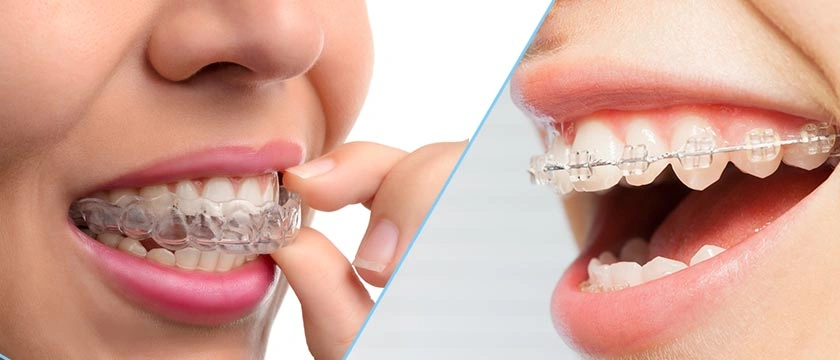
Choosing how to care for one’s smile can feel overwhelming, especially with so many new approaches to dental care. General dentistry remains the foundation of oral health, offering preventive care, cleanings, and common treatments to keep teeth and gums healthy. It provides reliable, evidence-based care focused on prevention and function, while alternative dentistry explores broader connections between oral and overall health.
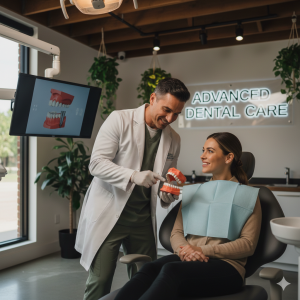
Some people turn to holistic or biological dentistry for a whole-body approach that links dental treatments to general wellness. Others combine traditional methods with integrative practices that address both symptoms and root causes. Understanding these options helps patients make confident choices suited to their health goals and comfort preferences.
Finding the right fit often comes down to personal values and dental needs. By learning how general dentistry compares to these alternatives, anyone can build a lasting partnership with a dental professional who supports their overall well-being.
Key Takeaways
- General dentistry focuses on prevention, function, and long-term oral health.
- Alternative approaches expand care to include whole-body wellness.
- Making an informed choice builds confidence and lasting dental health.
What Is General Dentistry?

General dentistry focuses on maintaining oral health through preventive, diagnostic, and restorative care. It acts as the foundation of overall dental wellness, helping patients of all ages preserve healthy teeth and gums with regular visits and timely treatments.
Core Services in General Dentistry
General dentistry covers a broad range of treatments that keep the mouth healthy and functional. These include dental exams, professional cleanings, fillings, crowns, bridges, and extractions when necessary. The dentist also monitors changes in the teeth and gums to detect potential problems early.
Many general practices provide additional services such as periodontal therapy, sealants for children, and simple cosmetic improvements like teeth whitening or bonding. If a patient needs more complex care, such as orthodontic or surgical treatment, the general dentist often coordinates referrals to a trusted specialist.
These services form the backbone of everyday dental care. By addressing issues early, general dentists help patients avoid costly or invasive procedures later. They also guide patients on maintaining hygiene habits that support long-term oral health.
Role of the General Dentist
A general dentist serves as both caregiver and educator. Their role extends beyond treating issues—they assess oral health, develop tailored care plans, and help patients understand how daily habits affect their teeth and gums.
Because they work with patients over many years, they often build close relationships that support personalized care. Using diagnostic tools like digital X-rays and intraoral cameras, they track subtle changes that can indicate disease or decay.
They may also manage minor restorative work, coordinate emergency dental care, and ensure each patient receives the right preventive and corrective treatments. This central role makes them the go-to professional for long-term dental health management.
Preventive Care and Routine Visits
Preventive care is the heart of general dentistry. Regular checkups—typically every six months—allow the dentist to clean teeth, remove plaque, and identify signs of cavities or gum disease early. These visits also give patients a chance to learn better brushing and flossing techniques.
Common preventive services include:
| Service | Purpose |
|---|---|
| Professional Cleaning | Removes plaque and calculus buildup |
| Dental Sealants | Protects molars from decay |
| Fluoride Treatment | Strengthens enamel and prevents cavities |
Routine visits help maintain oral health and prevent small issues from becoming serious concerns. Patients who stay consistent with checkups often experience fewer dental emergencies and enjoy stronger, healthier smiles over time.
Comparing General Dentistry to Dental Specialties

Every patient benefits from knowing which dental provider fits their specific needs. Preventive visits with a general dentist form the base of oral health, while specialists handle conditions or treatments that require advanced expertise or equipment.
Differences Between General and Specialized Care
General dentists act as primary providers for most oral health needs. They perform exams, cleanings, fillings, and basic restorative services to keep teeth and gums healthy. Their goal is to prevent problems through regular care and early detection.
Specialists, by contrast, complete additional years of training to focus on specific areas. Orthodontists correct bite alignment, periodontists treat gum disease, and oral surgeons perform complex extractions or surgeries. Because of their focused training, specialists often manage cases that go beyond what a general dentist typically handles.
| Provider Type | Education Focus | Typical Procedures |
|---|---|---|
| General Dentist | Broad dental care | Exams, cleanings, fillings |
| Specialist | Targeted expertise | Braces, implants, gum surgery |
Both roles support each other. Patients often begin care with a general dentist, who may refer them to a specialist when a condition requires greater precision or specialized tools.
Common Dental Specialties Explained
Dentistry includes several recognized areas of specialization, each addressing a specific aspect of oral health. Orthodontics focuses on straightening teeth and correcting misalignments using braces or aligners. Periodontics treats gum infections and supports oral structures that hold the teeth in place.
Endodontics deals with the tooth’s internal tissues, commonly performing root canal therapy to save infected teeth. Prosthodontics involves replacing missing teeth with crowns, bridges, or dentures. Other specialties include oral and maxillofacial surgery for complex extractions, and pediatric dentistry, which provides gentle care for children’s developing teeth.
Each specialty plays a defined role, yet all share the goal of preserving or restoring oral health. Many dental offices collaborate across these disciplines to ensure seamless patient care.
When to See a Specialist
A general dentist can handle most day‑to‑day concerns, but certain signs suggest the need for specialized care. Persistent jaw pain, complex tooth damage, or gum problems that don’t improve with routine treatment may require a referral.
Patients who need orthodontic correction, dental implants, or advanced periodontal therapy benefit most from specialist expertise. Specialists have access to diagnostic tools and procedures that resolve intricate issues efficiently and comfortably.
If someone is unsure which professional to see, a general dentist is the best starting point. They can evaluate the condition, explain treatment options, and guide patients toward the right specialist if needed. Consulting a dental office early prevents small issues from becoming major problems and keeps smiles healthy for the long term.
Alternative Approaches to Dental Care
Dental care today extends far beyond routine checkups and fillings. Patients can now explore methods that focus on whole-body health, aesthetic goals, or convenience through new technology-driven options.
Holistic and Biological Dentistry
Holistic and biological dentistry view oral health as part of a larger system rather than an isolated area. These approaches emphasize biocompatible materials and aim to minimize toxins, often avoiding mercury-based amalgam fillings and fluoride treatments. Dentists in this field consider how dental materials and procedures may affect the immune system or overall wellness.
Many practices encourage better results through lifestyle guidance. Nutrition, stress management, and eliminating sources of chronic inflammation—such as gum infections—often play a key role. Some holistic dentists also focus on airway health and bite alignment, linking them to posture and breathing.
Common features include:
- Use of metal-free restorations, such as zirconia or ceramic implants
- Focus on minimally invasive care and preservation of natural tooth structure
- Consideration of the body’s overall response to dental treatment
This approach appeals to patients seeking gentle, integrative care that supports total health instead of treating symptoms in isolation.
Cosmetic Dentistry as an Alternative
Cosmetic dentistry goes beyond appearance—it often enhances dental function and confidence. Procedures like veneers, professional whitening, bonding, and clear aligners can correct discoloration, uneven spacing, and minor misalignments.
Patients often choose these treatments to feel more at ease when smiling or speaking. Cosmetic care can also boost oral health when done with proper planning. For example, aligning teeth makes them easier to clean and reduces gum irritation.
Dentists typically create customized treatment plans that balance beauty and function. A consultation may include digital imaging to preview results or shade-matching to ensure a natural look. With modern materials, these procedures can deliver long-lasting results that feel comfortable and look natural.
Direct-to-Consumer Dental Solutions
Recent years have seen a rise in direct-to-consumer (DTC) dental products and services. These include mail-in aligner kits, subscription whitening products, and remote dental consultations. They offer affordability and convenience, allowing patients to manage certain treatments at home.
While these solutions can be appealing, they have limitations. Without in-person exams, there’s a risk that hidden dental issues—such as cavities or gum disease—may go unnoticed. Poorly fitting aligners or overuse of whitening agents may also cause long-term damage if not properly monitored.
Patients exploring DTC options should seek guidance from a licensed dentist before starting treatment. A brief consultation ensures safety and provides a balance of convenience with professional oversight, helping them make informed decisions for their oral health.
Choosing the Right Dental Care for Your Needs
Selecting the right dental care depends on age, oral health goals, and the type of treatments needed. Understanding the focus of general dentistry compared to alternatives such as family, cosmetic, or specialized care helps patients make confident decisions about their long-term oral health.
Factors to Consider When Deciding
Patients should begin by identifying their main dental needs. Those seeking preventive care, checkups, and common treatments often benefit most from a general dentist. In contrast, individuals focused on appearance may prefer cosmetic dentistry, while those with complex issues like gum disease or orthodontic needs may turn to specialists.
Location, office hours, and technology used can also influence the decision. For families, choosing a family dentist who treats both children and adults simplifies routine visits and provides consistent care. Patients who value advanced technology—such as digital X-rays or same-day crowns—may want to ask about the equipment and methods a practice uses.
Cost and insurance coverage also matter. Many general dentists handle a broad range of services under standard plans, while specialized treatments might involve higher out-of-pocket costs. Comparing treatment options helps patients stay proactive and avoid unexpected expenses.
Benefits of Regular Checkups with a General Dentist
Routine visits to a general dentist form the foundation of good oral health. Regular cleanings remove plaque and tartar that daily brushing cannot eliminate. Early detection of cavities, gum disease, and other issues allows for simpler, less costly treatments.
General dentists also provide preventive education, helping patients maintain strong teeth and healthy gums between visits. They may offer custom mouthguards, fluoride treatments, or screening for oral cancer—each designed to prevent future problems.
A trusted dentist builds long-term familiarity with a patient’s dental history, allowing for personalized care over time. By maintaining consistent checkups, patients often experience fewer emergencies and greater comfort during any necessary procedures. Regular visits encourage continuous communication and confidence in their dental care team.
Building Lasting Oral Health Partnerships
Strong and lasting dental care relationships grow from consistent communication, mutual trust, and shared responsibility for oral health. Patients who cultivate these connections often experience better preventive outcomes, timely treatments, and more confidence in managing everyday dental needs.
Establishing Trust With Your Dental Provider
Effective partnerships begin when patients feel heard and understood. Dentists who take time to explain diagnoses, show images of problem areas, and clarify treatment options help patients make informed decisions. A two-way conversation—where both provider and patient share information—creates transparency and builds comfort over time.
Trust also develops when care feels consistent and collaborative. Patients appreciate clinicians who coordinate with primary physicians, hygienists, or specialists to ensure that oral health supports overall health. Many modern practices now integrate wellness checks or risk assessments for conditions like diabetes and gum disease, helping patients see the link between dental visits and total well-being.
To make the most of each appointment, patients can keep a quick checklist:
- Share updates on medications or health changes.
- Ask questions about procedures, pain control, or follow-up care.
- Discuss goals, such as improving appearance or reducing sensitivity.
Taking the Next Step Toward a Healthy Smile
Once trust is established, ongoing engagement sustains progress. Regular cleanings, annual exams, and preventive treatments—like fluoride or sealants—help detect small issues before they become complex problems. Patients who view dental care as a continuing partnership, not just a service, tend to achieve better outcomes and lower long-term costs.
Integrated care models now link dental offices with community health programs and medical providers. This collaboration ensures that oral health remains part of each person’s broader wellness plan. Whether through shared digital records or coordinated referrals, these teams make it easier for patients to stay proactive.
Those ready to strengthen their dental partnership can schedule a consultation, ask about personalized prevention strategies, and explore care options suited to their needs.
Frequently Asked Questions
General dentists provide preventive and restorative care that covers most everyday dental needs, while specialists focus on complex or advanced treatments. Choosing the right provider depends on a patient’s oral health goals, existing conditions, and comfort with different approaches to care.
What are the benefits of choosing a general dentist over a specialist for my dental care?
A general dentist offers a familiar, consistent setting for ongoing care. They perform checkups, cleanings, fillings, and gum care—helping prevent problems before they become serious.
Patients often appreciate the convenience of having most treatments managed in one place. Regular visits with the same provider also build trust and help the dentist spot early changes in oral health.
Can I receive the same treatments from a general dentist as I would from a specialist?
General dentists handle a wide range of procedures, including fillings, crowns, and root canals. However, they may refer patients to specialists for complex surgeries or advanced treatments such as dental implants or orthodontic correction.
In many cases, general dentists collaborate with specialists to ensure seamless care. This teamwork approach gives patients access to comprehensive treatment options without losing continuity.
What should I consider when deciding between traditional dentistry and holistic dental approaches?
Traditional dentistry focuses on diagnosing and treating dental disease using scientifically proven materials and methods. Holistic dentists take a broader view, considering how oral health affects the body and using biocompatible materials when possible.
Patients deciding between these approaches should evaluate personal health priorities, treatment philosophies, and the availability of evidence-based options. Both paths share a goal of maintaining healthy teeth and gums.
How do general dentists and orthodontists differ in their treatment offerings?
General dentists help patients maintain and restore oral health, while orthodontists specialize in aligning teeth and correcting bite issues. Orthodontists receive advanced training to design braces and clear aligners for precise tooth movement.
A general dentist may identify the need for orthodontic treatment and refer the patient for specialized care. After orthodontic work, they continue routine maintenance and preventive visits.
Are there any risks associated with alternative dental treatments?
Alternative dental treatments may involve methods or materials not widely studied in conventional dentistry. Some carry unknown long-term risks or lack standard safety testing.
Patients should ask for scientific evidence and discuss potential side effects with a qualified dentist before proceeding. A transparent, informed conversation helps ensure treatments align with both health needs and comfort levels.
When is it necessary to see a dental specialist instead of a general dentist?
Seeing a specialist is appropriate when a dental condition requires advanced expertise—such as extensive tooth loss, jaw disorders, or complex root canal cases. Specialists like periodontists, endodontists, or oral surgeons have training for these situations.
A general dentist can guide patients on when a referral is beneficial. Taking that step at the right time often leads to better outcomes and long-term oral health stability.