
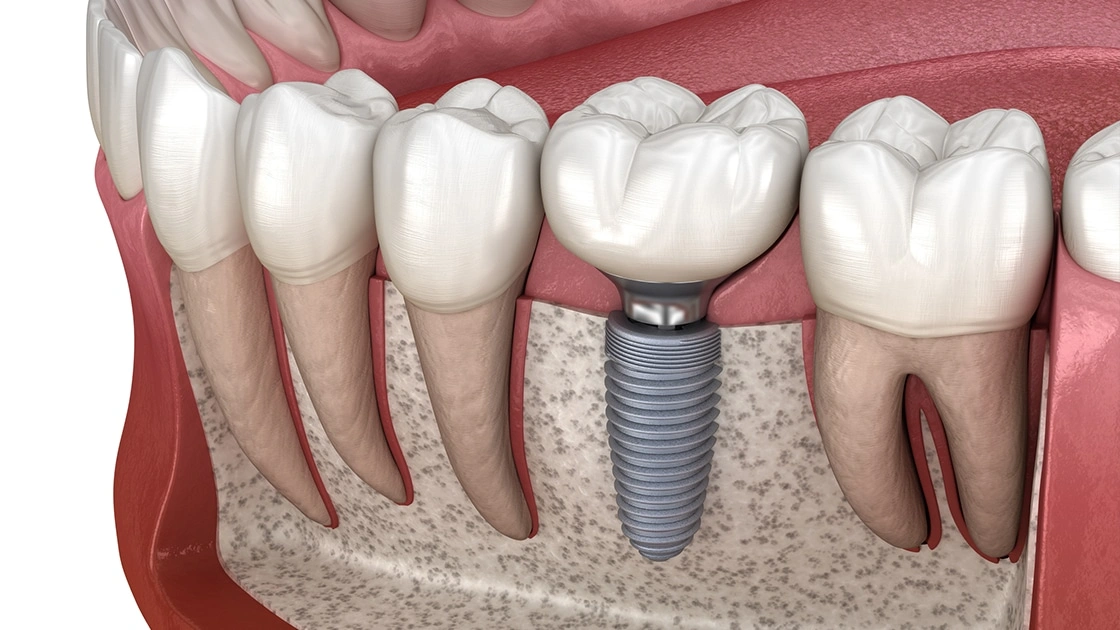
Hybrid implant bridges offer a reliable and comfortable solution for people missing several teeth but wanting a stable, natural-looking replacement. They combine dental implants with a fixed bridge to restore both function and appearance without the need for individual implants for every missing tooth. This approach can simplify your treatment while providing excellent support for speaking and chewing.
These bridges are designed to be durable and easy to maintain, often improving long-term oral health. By anchoring the bridge to just a few implants instead of relying on natural teeth, the stress on surrounding teeth is reduced, which helps preserve your smile over time.
Patients often appreciate how hybrid implant bridges balance innovation with comfort, making it a popular choice for those seeking a permanent, yet gentle, dental restoration. If you want to explore how this could work for you, a conversation with a dental professional can provide personalized answers and next steps.
What Are Hybrid Implant Bridges?
Hybrid implant bridges combine dental implants with a fixed bridge to replace multiple missing teeth. They offer a stable, durable solution that restores both function and appearance. Understanding their structure and benefits helps patients make informed choices.
Definition and Overview
A hybrid implant bridge is a dental restoration used when several teeth are missing in a row. Instead of replacing each tooth with an individual implant, this type anchors a bridge onto a few implants. This makes the process less invasive and often more affordable.
The bridge itself is a fixed prosthetic, meaning it remains in the mouth and doesn’t come out like dentures. It restores chewing ability and supports facial structure by preventing bone loss. Many patients find hybrid bridges feel more natural than removable options.
Components of Hybrid Implant Bridges
There are three main parts: the dental implants, abutments, and the bridge. Implants are titanium posts surgically placed into the jawbone acting as artificial roots. Abutments connect these implants to the bridge.
The bridge is usually made from durable materials such as porcelain fused to metal or zirconia. Its design mimics natural teeth in shape and color. This combination provides strength, stability, and a pleasing aesthetic.
How Hybrid Implant Bridges Differ from Traditional Options
Unlike traditional bridges, which rely on adjacent teeth for support, hybrid implant bridges use implants for anchorage. This eliminates strain on healthy teeth, preserving their condition.
Compared to removable dentures, hybrid bridges offer improved stability. They don’t shift or cause discomfort during eating or speaking. Additionally, implants help maintain jawbone health by stimulating bone growth, something traditional bridges and dentures cannot do.
Benefits of Hybrid Implant Bridges
Hybrid implant bridges offer a blend of secure support, natural appearance, and improved chewing ability. These features make them a popular choice for people seeking a durable and comfortable tooth replacement option.
Comfort and Stability
Hybrid implant bridges attach firmly to dental implants embedded in the jawbone. This creates a solid foundation that eliminates the slipping or shifting common with traditional dentures. Patients often report feeling more secure when speaking and eating.
Because the bridge is anchored to implants, the pressure on gums is greatly reduced. This helps avoid sore spots and discomfort often caused by removable dentures. The stability also means fewer adjustments are needed over time, allowing for a smoother healing experience.
Aesthetic Advantages
One of the biggest benefits is how natural the bridge looks. It’s custom-made to match the color, shape, and size of surrounding teeth. This attention to detail ensures the restoration blends seamlessly with the patient’s smile.
The design also allows the gums to maintain a healthy contour around the implants, avoiding the sunken appearance sometimes seen with other tooth replacements. Patients can feel confident their smile looks both attractive and lifelike in everyday situations.
Improved Oral Function
Eating and speaking become easier with hybrid implant bridges. Because the bridge is securely fixed, biting force is restored close to natural levels. This lets patients enjoy a wider variety of foods without worry.
Additionally, the bridge helps preserve the jawbone by stimulating it through the implants. This prevents bone loss that can impact oral health and facial structure. Improved chewing and chewing efficiency also support better digestion and overall well-being.
Candidacy for Hybrid Implant Bridges
Choosing hybrid implant bridges involves several factors centered on the patient’s oral health, bone quality, and overall medical condition. Not everyone automatically qualifies, but many people with missing teeth find this a practical option. Assessing suitability helps ensure the best long-term success and comfort.
Who Is an Ideal Candidate?
Ideal candidates typically have multiple missing teeth but retain enough healthy bone to support implants. They usually want a permanent solution that avoids removable dentures.
People who are tired of slipping or uncomfortable dentures often benefit most. Candidates need sufficient jawbone density because the implants anchor directly into the bone. If bone loss has occurred, bone grafts might be necessary before proceeding.
Those with good oral hygiene habits and no severe gum disease are better prepared to maintain their hybrid bridge over time. Younger adults through seniors can qualify, provided they meet these dental and bone criteria.
Health Considerations
General health plays a crucial role in candidacy. Patients must have stable overall health conditions to undergo implant surgery safely. Chronic illnesses like diabetes should be well controlled to reduce infection or healing issues.
Smoking negatively affects healing and implant success rates, so many dentists recommend quitting before the procedure. Medications such as blood thinners may require adjustments prior to surgery.
A careful review of a patient’s medical history, including immune system status and bone metabolism, helps tailor treatment plans. Regular dental checkups before implant placement improve long-term outcomes by addressing existing oral conditions.
Contraindications
Some conditions outright prevent or complicate hybrid implant bridge placement. Active untreated gum disease or severe bone loss without the possibility of grafting is a major red flag.
Patients with certain autoimmune disorders, uncontrolled diabetes, or those undergoing chemotherapy or radiation may not be suitable candidates. Heavy smokers or those who cannot commit to quitting often face higher failure risks.
Pregnancy is also a contraindication due to surgical risks. Lastly, patients who struggle with poor oral hygiene or cannot commit to follow-up care might not be ideal, as implants require ongoing maintenance for success.
The Treatment Process
This treatment involves careful steps to ensure the implant bridges fit well and function properly. Each stage focuses on precision, comfort, and healing to set the foundation for a lasting dental restoration.
Initial Consultation and Planning
During the first visit, the dentist evaluates the patient’s oral health and discusses goals. They may take X-rays and 3D scans to assess bone quality and the exact placement needed for implants.
A customized treatment plan is created. This includes deciding the number of implants required and the design of the bridge itself. The dentist explains the timeline, costs, and what to expect during recovery.
Patient concerns are addressed, including questions about pain, healing time, and care. This stage builds trust and ensures everyone is clear on the next steps.
Implant Placement Procedure
The implant surgery usually begins with numbing the site to minimize discomfort. Small titanium posts are then inserted into the jawbone at pre-planned spots.
After placement, the gums are sutured closed, and a healing period of several months follows. This time allows the implant to fuse with the bone, a process called osseointegration, which gives the implant strength and stability.
Temporary restorations might be placed to maintain appearance and function. Patients are given care instructions to promote healing and avoid complications.
Bridge Attachment and Final Steps
Once healing is complete, the dentist attaches the custom-made hybrid bridge to the implants. This bridge combines a solid framework with natural-looking teeth for durability and aesthetics.
Adjustments are made for comfort and bite alignment. The dentist checks that everything fits perfectly and that the patient can chew and speak easily.
Follow-up visits are scheduled to monitor the implant and oral health. Proper daily cleaning and routine dental check-ups are essential to prolong the life of the bridge.
Post-Treatment Recovery and Care
The recovery phase after getting hybrid implant bridges is crucial for long-term success. Proper care and monitoring help avoid complications and ensure the implants integrate well with the bone.
Healing Timeline and What to Expect
Healing after hybrid implant surgery usually takes several weeks. During the first few days, some swelling, minor bleeding, and tenderness around the implant sites are common. Patients may feel discomfort but it should gradually diminish with prescribed pain management.
Bone integration, or osseointegration, typically takes 3 to 6 months. This is when the implant fuses securely with the jawbone to provide solid support for the bridge. During this time, patients need to avoid putting undue pressure on the implants.
Diet changes are important. Soft foods are recommended initially to prevent damaging the healing area. Gradually, they can return to normal chewing habits as advised by their dentist.
Daily Oral Hygiene for Hybrid Implant Bridges
Good oral hygiene is vital to prevent infections around the implants. Patients should brush gently twice a day using a soft-bristled toothbrush and non-abrasive toothpaste.
Flossing around the implant posts is essential. Special implant floss or interdental brushes can help clean hard-to-reach areas. Using an antimicrobial mouth rinse can also reduce harmful bacteria buildup.
Avoid harsh mouthwashes containing alcohol, as these can irritate healing tissues. Drinking plenty of water helps keep the mouth clean and supports healing.
Regular care not only maintains oral health but also extends the lifespan of the hybrid implant bridge.
Follow-Up Visits and Adjustments
Follow-up appointments begin shortly after surgery, often within a week, to check healing progress and remove stitches if necessary. These visits allow the dentist to catch any signs of infection or implant instability early.
Further check-ups occur during the osseointegration phase to monitor bone integration and implant stability. Once the bridge is secured, the dentist will adjust fit and bite alignment to optimize comfort.
Long-term check-ups every 6 to 12 months are important for professional cleaning and to assess the condition of the implant and surrounding tissues. Patients should report any discomfort, looseness, or unusual symptoms promptly.
Consistent follow-up helps ensure the implant system functions well for years to come.
Comparing Hybrid Implant Bridges to Other Solutions
Hybrid implant bridges stand out in how they balance stability, comfort, and function compared to traditional dental appliances. Understanding their differences from dentures and fixed bridges helps patients make informed decisions about their dental health.
Hybrid Implants vs. Removable Dentures
Hybrid implant bridges are securely anchored to dental implants in the jawbone, providing a fixed solution that doesn’t shift or move. This contrasts with removable dentures, which rely on suction or adhesives and can slip, especially when eating or speaking.
Because hybrid implants are fixed, they improve chewing efficiency and feel more like natural teeth. Dentures often require adjustments and may cause sore spots over time. However, dentures usually have a lower upfront cost and are less invasive since implants need surgery.
Patients who dislike the hassle of daily denture removal often prefer hybrid implants for their convenience and stability. Dentures might remain an option for those who cannot undergo implant surgery or want a less permanent fix.
Hybrid Bridges vs. Fixed Dental Bridges
Fixed dental bridges are supported by adjacent natural teeth, requiring those teeth to be filed down for crowns. Hybrid implant bridges, however, attach directly to implants, preserving adjacent teeth from modification.
This difference affects long-term oral health. Hybrid bridges reduce the risk of damage or decay in surrounding teeth since they don’t rely on them for support. Fixed bridges depend on the strength of abutment teeth, which can weaken over time.
Additionally, hybrid implant bridges offer better bone preservation. Implants stimulate the jawbone, helping prevent bone loss that often happens after tooth loss. Fixed bridges do not address this issue.
Longevity and Maintenance Differences
Hybrid implant bridges generally last 10-15 years or more with proper care, often outlasting traditional bridges and dentures. Their durability is due to titanium implants integrating with the jawbone and the strong materials used for the prosthetic teeth.
Maintenance involves daily brushing and flossing around the implants, alongside regular dental check-ups. Dentures require special cleaning routines and regular relining or replacement. Fixed bridges need similar oral hygiene but pose a higher risk of decay under the crown margins.
Implants require surgery and healing time but tend to reduce long-term maintenance headaches. Patients looking for a long-lasting, low-maintenance option often choose hybrid implant bridges over traditional dentures or fixed bridges.
Common Concerns and Solutions
Many patients wonder what to expect when getting hybrid implant bridges. Common questions often focus on comfort, adapting to the new dental work, and how to handle any problems that might arise after treatment.
Managing Discomfort
It’s normal to experience some soreness or mild pain after the procedure. This usually lasts a few days and can be controlled with over-the-counter pain relievers like ibuprofen. Applying a cold compress to the cheek can reduce swelling during the first 48 hours.
Patients should avoid hard or crunchy foods while healing to prevent irritation. If discomfort persists beyond a week or intensifies, a follow-up visit is important to rule out infection or other issues.
Adjusting to Your New Smile
Getting used to the feel of a hybrid implant bridge takes time. Speaking and chewing might feel different at first, but the mouth adapts quickly. Practicing reading aloud or chewing soft foods can help speed up this adjustment.
Oral hygiene is key. Patients should clean around the implants daily, using a soft toothbrush and any recommended water flossers or interdental brushes. This keeps the gums healthy and prolongs the life of the bridge.
Addressing Unforeseen Issues
Occasionally, patients might notice loosening or discomfort several weeks after placement. This often results from minor bone remodeling or changes in bite alignment. Scheduling timely dental checkups allows the dentist to make necessary adjustments.
If there is unusual pain, persistent swelling, or signs of infection like bleeding or pus, professional care is needed immediately. Most problems can be resolved without removing the bridge, especially when caught early.
Costs and Financial Considerations
Understanding the financial aspect of hybrid implant bridges helps patients plan effectively. From initial prices to insurance options and the long-term value, knowing what to expect can ease worries and make decisions clearer.
Typical Price Range
Hybrid implant bridges typically cost between $7,000 and $30,000 per arch. The wide range depends on factors like the number of implants needed, materials used, and the complexity of the case.
For example, fewer implants with simpler designs tend to be on the lower end, while full-arch bridges involving multiple implants and premium materials cost more. Additional procedures, such as bone grafts or extractions, add to the total price.
Patients should also consider fees for consultations, imaging, and follow-up visits. These are usually included in the treatment plan but can vary by provider.
| Cost Element | Estimated Price Range |
|---|---|
| Implant surgery | $1,000 – $3,000 per implant |
| Hybrid bridge (per arch) | $7,000 – $30,000 |
| Additional procedures | $500 – $3,000+ |
Insurance and Payment Plans
Dental insurance may cover part of the hybrid implant bridge cost, but coverage varies significantly. Many plans classify implants as elective, covered partially or not at all.
Patients should review their policies carefully and ask providers about what’s covered. Some insurers offer coverage for preparatory procedures like extractions or X-rays.
Many dental offices offer flexible payment plans. These can include monthly installments or financing options with low or no interest over time. It helps make treatment more affordable without a large upfront payment.
Discussing financing early in the consultation avoids surprises and helps patients find solutions that fit their budget comfortably.
Investing in Your Long-Term Dental Health
Though hybrid implant bridges carry a higher upfront cost, they offer lasting benefits. Unlike traditional dentures, they promote jawbone health and avoid issues like bone loss.
Their durable materials and fixed placement mean fewer repairs and replacements compared to other tooth replacements. This can reduce long-term maintenance expenses.
Patients should view the cost as an investment in function, comfort, and confidence. Regular check-ups and good oral hygiene complement the bridge’s lifespan, aiming for many years of use.
Consulting a dental professional about costs and care options helps tailor the investment to individual needs and goals.
Next Steps: Starting Your Hybrid Implant Bridge Journey
The first step in getting a hybrid implant bridge is scheduling a thorough dental consultation. During this visit, the dentist will assess oral health, take X-rays, and discuss the patient’s goals. This helps create a personalized treatment plan.
Patients should prepare questions about the procedure, recovery time, and maintenance. Understanding what to expect can ease any anxiety and build confidence.
Once approved, the process begins with implant placement. Healing usually takes a few months to ensure the implants fuse properly with the jawbone. This stage is crucial for long-term success.
Here’s a simple checklist for beginning the journey:
| Step | Description |
|---|---|
| Consultation | Evaluate oral health and goals |
| Treatment Planning | Customize implant bridge design |
| Implant Surgery | Place implants in the jaw |
| Healing Phase | Allow time for osseointegration |
| Bridge Placement | Attach the hybrid implant bridge |