
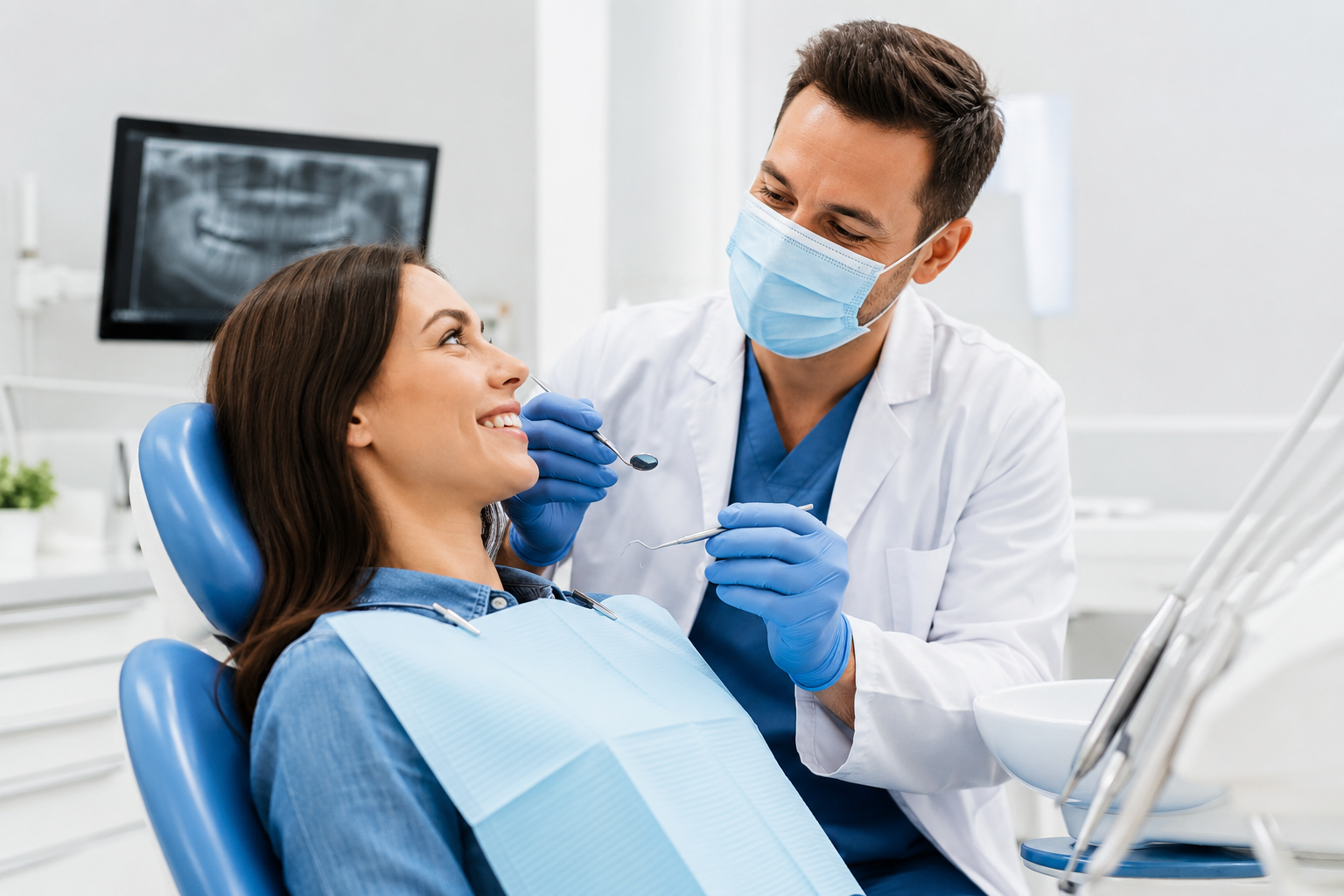
You can get a durable, natural-looking crown in a single appointment at an Altamonte Springs dental office that offers same day crowns, saving you multiple visits and hours in the chair. Same day crowns use digital scans and in-office milling to restore a damaged tooth quickly while matching the color and shape of your smile.
If you’ve been putting off a crown because of scheduling or anxiety about repeated dental visits, this article explains how the process works, what modern technology makes it possible, and how to choose a local dentist who prioritizes comfort and long-term results. It also covers aftercare, how same day crowns compare to traditional lab-made crowns, and practical next steps to get your smile restored with confidence.
What Are Same Day Dental Crowns?
Same day dental crowns are full-coverage restorations fabricated and placed in a single appointment using in-office digital scanning and milling. They restore strength, shape, and appearance when a tooth is cracked, heavily filled, or after root canal therapy.
How They Differ From Traditional Crowns
Same day crowns use an intraoral scanner to create a precise 3D image of the prepared tooth. The dentist designs the crown on a computer and mills it from a ceramic block in the office, usually within one to two hours. Traditional crowns typically require two or more visits: tooth preparation, a temporary crown, a lab-made final crown, and a second appointment for placement. Same day crowns eliminate the temporary crown and reduce the risk of issues from temporary restorations. Patients avoid the two-week wait and the chance of sensitivity or damage to the provisional. Fit and occlusion are checked digitally and adjusted chairside, which can improve final accuracy compared with conventional impressions and lab turnaround.
Materials Used in Same Day Crowns
Most same day crowns are milled from monolithic ceramics like lithium disilicate (e.g., IPS e.max) or high-strength zirconia. Lithium disilicate offers excellent esthetics and translucency for front teeth while maintaining good strength. Zirconia provides superior fracture resistance and suits posterior restorations where biting forces are higher. Some offices stain and glaze milled crowns to match surrounding teeth; others use layered ceramic for additional characterization. Materials are biocompatible and resistant to wear when polished properly. The dentist selects the material based on tooth location, bite forces, esthetic needs, and remaining tooth structure.
Who Is a Good Candidate?
Ideal candidates have a tooth that needs full coverage due to large decay, a fracture, a failed filling, or after root canal treatment. Patients with bruxism or very high bite forces may require stronger materials (e.g., zirconia) or a night guard after treatment. Sufficient remaining tooth structure and healthy gums increase the likelihood of immediate single-visit success. Active uncontrolled gum disease or severe infection may need treatment first, and very complex cases (extensive bite reconstruction or multiple adjacent crowns) might still benefit from lab-fabricated restorations. The dentist evaluates X-rays, bite relationships, and esthetic goals during consultation to determine suitability and the best material choice.
Benefits of Same Day Crowns for Patients
Patients gain faster treatment, fewer appointments, and durable restorations that match natural teeth. The subsections below explain how same day crowns save time, enhance comfort and fit, and help preserve more of the original tooth structure.
Time-Saving Convenience
Same day crowns use in-office CAD/CAM milling to create and place a permanent crown in a single visit, typically 60–90 minutes from start to finish. This eliminates the need for temporary crowns and at least one additional appointment, which matters for patients with busy work schedules, childcare responsibilities, or limited transportation.
Insurance and scheduling also improve because fewer visits reduce co-pays and time off work. For emergencies like a broken crown or severe tooth decay, a one-visit solution minimizes disruption and speeds return to normal eating and speaking.
Comfort and Fit
Intraoral scanners replace gooey impressions with a quick, digital scan that most patients find far more comfortable. Digital design allows the dentist to adjust contours, contacts, and bite on-screen and mill the crown to those precise specifications, which reduces post‑placement soreness and the need for multiple adjustments.
Material options such as monolithic zirconia or lithium disilicate provide strong, polished surfaces that resist wear and stain. When properly finished and glazed, these crowns feel smooth against the tongue and opposing teeth, improving daily comfort for chewing and speaking.
Preserving More Natural Tooth
Same day crowns often require less tooth reduction than traditional crowns because digital workflows allow conservative margin design and precise fit. Dentists can preserve more enamel, which supports better long-term tooth strength and bonding.
Keeping more natural tooth structure reduces the risk of future complications like root exposure or need for root canal therapy. When a crown seats tightly at the margin, it also lowers the chance of bacterial leakage and recurrent decay, contributing to longer-lasting results and fewer follow-up procedures.
The Same Day Crown Process
Same day crowns use digital scanning, in-office design, and milling so patients leave with a finished crown the same visit. The process minimizes temporary crowns, reduces appointments, and restores chewing function quickly.
Initial Consultation and Digital Imaging
The dentist reviews medical and dental history, asks about symptoms, and examines the tooth for decay, fractures, or old restorations. They will take digital X-rays to check root health and bone support; this ensures the tooth is a good candidate for a single-visit crown.
A trained dental assistant performs an intraoral scan with a wand-style scanner that captures the prepared tooth and opposing bite in minutes. The scan replaces messy impressions and produces a precise 3D model, allowing the clinician to evaluate margins and occlusion on-screen before design.
Patient comfort measures are discussed, including local anesthesia options and, when needed, nitrous oxide. The team confirms shade selection using a shade guide and photos so the final crown matches adjacent teeth.
Design and Fabrication at the Office
Using CAD (computer-aided design) software, the clinician or lab technician sculpts the crown on the digital model. They set contours, contacts, and occlusal relationships to match the patient’s bite and neighboring teeth, then review the design for fit and esthetics.
The design file transfers to an in-office milling machine that carves the crown from a ceramic or composite block. Milling typically takes 10–30 minutes depending on material and complexity, and the restoration is then polished and, if needed, stained and glazed for a natural appearance.
The staff verifies marginal fit and may sinter or glaze the restoration in a small oven to reach final strength. Throughout fabrication, the team communicates with the patient about timing and next steps to keep the visit predictable.
Fitting and Placement
The dentist removes any temporary material and tries the milled crown in the mouth, checking fit, bite alignment, and contact points with articulating paper. Minor adjustments to margins or occlusion are made chairside using fine burs.
Once fit and esthetics meet the dentist’s standards, they clean and isolate the tooth, apply bonding agents, and permanently cement the crown using resin or glass ionomer cement. Excess cement is removed and the bite is rechecked to ensure patient comfort.
After placement, the patient receives home-care instructions, advice on chewing with the new crown, and follow-up timing. The practice schedules a short check-up to confirm comfort and function, typically within 1–2 weeks.
Modern Dental Technology in Altamonte Springs
Clinics in Altamonte Springs use digital tools to speed treatment, improve fit, and reduce visits. Patients benefit from precise impressions, same-day restorations, and less time in the chair.
Role of 3D Scanning
3D intraoral scanners replace traditional putty impressions with a handheld wand that captures the patient’s teeth in minutes. The scanner produces a high-resolution digital model that the dentist and lab technician can view from any angle, which reduces remakes caused by distortion or air bubbles.
Digital scans improve communication between the clinician and the dental lab or in-office milling system. Files (often in STL format) transfer instantly, so technicians can design crowns with exact occlusion and contact points. Patients notice a more comfortable experience and fewer follow-up adjustments.
Scans also integrate with practice records for future reference, enabling quick comparisons if wear or damage occurs later. For patients with gag reflexes or limited time, this technology makes restorative work more tolerable and efficient.
In-Office Milling Machines
In-office milling machines fabricate ceramic or composite crowns from a solid block while the patient waits. After the dentist designs the restoration on CAD software, the milling unit carves the crown with micron-level precision—typically completing the process within 60–90 minutes depending on complexity.
Chairside milling eliminates shipping delays to external labs and reduces overall treatment time to a single visit for many cases. Materials commonly used include monolithic zirconia and lithium disilicate, chosen for strength, esthetics, and suitability for the area of the mouth being restored.
Clinics also offer staining and glazing ovens to finalize color and surface texture before cementation. This workflow gives patients a durable, well-fitting crown the same day, with fewer appointments and predictable results.
Caring for Your New Crown
Keep the crown clean, avoid hard or sticky foods for the first 24–48 hours, and follow scheduled checkups to ensure a long-lasting restoration.
Daily Hygiene Tips
They should brush twice daily with a soft-bristled brush and fluoride toothpaste, paying special attention to the crown margins where the tooth meets the gum. Use gentle circular strokes at the gum line to remove plaque without damaging the cement or irritation to the gum tissue.
Floss once daily using a gentle up-and-down motion; avoid snapping the floss through the contact. If flossing pulls at the crown, use a floss threader or interdental brush to clean between teeth safely.
An antimicrobial mouthrinse (chlorhexidine or an over-the-counter fluoride rinse) can reduce bacteria while gums adapt. If sensitivity or pressure persists beyond two weeks, they should contact the dentist for evaluation.
Foods to Avoid
They should avoid hard foods like ice, hard candies, and unpopped popcorn kernels that can chip or dislodge the crown. Biting directly into very hard items (whole apples, hard baguettes) should be avoided; instead cut them into smaller pieces.
Sticky foods such as caramel, taffy, and chewy candy can pull on the crown and loosen the cement. Tough meats and chews that require heavy, repetitive chewing may stress the crown-tooth interface and should be eaten in small, manageable bites.
Immediately after cementation, they should avoid extremely hot or cold beverages if sensitivity occurs. If a crown feels loose, they should stop chewing on that side and call the dental office rather than trying to re-seat it at home.
Routine Dental Visits
They should schedule a follow-up visit about two weeks after placement to check fit, bite, and gum response. The dentist will confirm bite balance and cement integrity, making small adjustments if necessary to prevent wear or jaw discomfort.
Continue professional cleanings every six months unless the dentist recommends a different interval due to gum disease or other conditions. During these visits the hygienist will remove hardened plaque at the crown margin and evaluate for decay at adjacent teeth.
If they experience persistent sensitivity, looseness, or a change in bite between appointments, they should call immediately. Early intervention often prevents more extensive treatment and preserves the crown’s lifespan.
Comparing Same Day Crowns to Traditional Options
Same day crowns use CAD/CAM milling and ceramic blocks to produce a finished crown in one appointment, while traditional crowns require lab fabrication and a temporary restoration. Key differences include how long the tooth remains exposed, number of visits, and the materials and techniques used for fit and finish.
Longevity and Durability
Same day crowns made from high-strength ceramics like zirconia or lithium disilicate typically last 10–15 years with good oral hygiene and routine care. Their monolithic construction reduces chipping risk compared with layered porcelains, and modern bonding protocols create a strong tooth-to-crown interface.
Traditional crowns often use porcelain-fused-to-metal (PFM) or layered porcelain on a ceramic core. PFMs can be very durable—15–20 years or more—because of the metal substructure, but the exposed metal margin can become visible if gum recession occurs. Layered porcelain offers excellent esthetics but can be more prone to veneer chipping over time.
Patient habits matter more than the fabrication method. Bruxism, poor oral hygiene, and heavy occlusion shorten lifespan for any crown. Regular recall visits allow the dentist to monitor margins, contacts, and occlusion and intervene early to extend crown longevity.
Aesthetic Differences
Same day crowns milled from lithium disilicate or translucent zirconia provide a lifelike appearance for front and back teeth when the color match is carefully selected. The single-piece ceramic allows consistent translucency and avoids metal darkness at the gumline, making it a strong choice for visible teeth.
Traditional layered porcelains permit subtle characterization—internal stains, layered translucency, and surface glazing—that artists in dental labs can customize for complex cases. This can produce superior results when matching adjacent natural teeth with unusual color or texture variations.
Gum recession and thin gingival biotypes affect what will look best long-term. If a patient has a high smile line or thin gum tissue, the dentist may prefer a layered approach or adjust margin placement. A pre-treatment mockup or digital shade map helps set realistic expectations for color and translucency.
Choosing a Local Dental Expert
Selecting the right provider affects treatment speed, fit, and comfort. Prioritize a practice with up-to-date milling equipment, clear pricing, and staff who explain each step.
Factors to Consider
Look for a dentist in Altamonte Springs with in-office CAD/CAM milling systems (e.g., CEREC) to enable true same-day crowns. Confirm the practice fabricates and bonds the restoration during a single visit rather than outsourcing to a lab, which adds time.
Check credentials and experience: how many same-day crowns has the dentist placed, and do they maintain continuing education in restorative digital dentistry? Review patient photos and before/after cases for color match and margin accuracy.
Evaluate clinic logistics: office hours, appointment availability, and whether they offer sedation or local-anesthesia options for anxious patients. Confirm warranty, expected lifespan, and whether adjustments after bonding are included. Read recent patient reviews about fit, bite comfort, and follow-up care.
Questions to Ask at Your Appointment
Ask whether the clinic uses fully digital impressions or still relies on physical molds; digital scans usually improve fit and reduce remake rates. Request specifics: which milling unit and ceramic material they use (e.g., monolithic zirconia, lithium disilicate) and why one is recommended for your tooth.
Clarify the workflow and time commitment: how long is the appointment, will the patient wait while the crown is milled and stained, and are temporary options provided if needed? Ask about shade selection — who approves the final shade and can the patient see samples under natural light?
Confirm costs and policies: itemize fees for scanning, milling, ceramic, bonding, and any lab services; ask about financing and what warranty covers. Finally, ask how the practice handles post-placement sensitivity, occlusion adjustments, and emergency visits within the first weeks after bonding.
What to Expect After Your Appointment
After a same-day crown appointment, patients often feel mild numbness for an hour or two if local anesthesia was used. They can return to normal activities once sensation returns, but should avoid chewing on the treated side until numbness fully wears off.
Some sensitivity to hot, cold, or pressure is normal for a few days. Over-the-counter pain relievers like ibuprofen or acetaminophen usually control discomfort; if pain worsens or lasts more than a week, they should contact the dental office.
The crown feels and functions like a natural tooth immediately, though it may take a few days to get used to the bite. If the bite feels high or there’s persistent clicking when chewing, an adjustment may be needed and the dentist will make quick corrections.
Oral hygiene remains important: brush twice daily with a soft-bristled brush and floss gently around the crown. Using a fluoride toothpaste and an antiseptic mouthwash can help protect adjacent teeth and gum tissue.
Watch for signs that need attention:
- Persistent pain or swelling
- A loose or chipped crown
- Ongoing sensitivity beyond two weeks
The dental team will provide personalized aftercare instructions and schedule any follow-up checks if needed. They encourage patients to ask questions about care, adjustment, or prevention during the visit or by phone.
Next Steps Toward a Restored Smile
Patients should schedule a consult to confirm candidacy for same-day crowns and review X-rays. The dentist will explain the process, timelines, and any preparatory work needed, such as replacing old fillings or treating decay.
They will discuss anesthesia and comfort options to ease anxiety during treatment. Many practices offer numbing, short sedation, and calming techniques to make the visit more comfortable.
A digital scan replaces messy impressions, producing a precise crown design in-office. The lab-free workflow typically lets the clinic mill and place a custom crown the same day, reducing appointments and temporary-crown wear.
After placement, brief aftercare instructions promote healing and crown longevity. Patients receive guidance on chewing habits, oral hygiene, and what to expect in the first 24–48 hours.
Typical follow-up includes a short check to confirm fit and bite comfort. If adjustments are needed, the dentist can refine the crown quickly to ensure optimal function and appearance.
Questions about cost, insurance, or financing often come up; staff can provide clear estimates and payment options. They can also outline preventive steps to protect the new crown, like nightguards for grinders and regular cleanings.
Patients who want to learn more are encouraged to call or book an online consult for personalized advice. The clinic team welcomes questions and will explain options so each patient can make an informed decision.
Frequently Asked Questions
Same-day crowns use digital scans and in-office milling to create a custom-fit ceramic crown during one visit. Patients save time, avoid temporary crowns, and leave with a finished restoration the same day.
Can I really get a dental crown made and placed in just one visit?
Yes. The dentist takes a digital scan of the prepared tooth, designs the crown on specialized software, and mills it in the office. Once glazed and adjusted, the crown is bonded that same appointment.
How do one-visit crowns compare to traditional crowns in strength and appearance?
Modern same-day crowns are typically made from high-strength ceramics like zirconia or lithium disilicate. They match the look of natural teeth and offer durability similar to lab-made crowns when properly designed and bonded.
Am I a good candidate for a same-day crown if I grind or clench my teeth?
Patients who grind or clench can receive same-day crowns, but the dentist must evaluate bite force and tooth wear first. In many cases, stronger materials (monolithic zirconia) and a nightguard are recommended to protect the crown.
What does a same-day crown appointment feel like, and how long does it usually take?
Appointments generally last 90 to 180 minutes depending on case complexity and number of crowns. Patients receive local anesthesia for comfort during tooth preparation, and most describe only mild pressure rather than sharp pain.
How much does a dental crown typically cost without insurance in Florida?
Out-of-pocket costs in Florida usually range from $900 to $1,800 per crown, depending on material, complexity, and clinic. Cosmetic-grade ceramics and zirconia tend toward the higher end of that range.
What should I do to care for my new crown so it stays comfortable and lasts longer?
Brush twice daily with a soft-bristled brush and floss gently at the margins to prevent decay and gum irritation. Avoid biting very hard items, and schedule regular dental checkups; consider a custom nightguard if instructed to protect the restoration.
For personalized advice or to book a consultation in Altamonte Springs, contact the local dental office to discuss materials, pricing, and what to expect during a same-day crown visit.